


Negative Testing in Software Engineering: A Quick Guide

In software engineering, it’s crucial to test how an application performs under both expected and unexpected conditions. While positive testing is often emphasized to verify that a system performs as expected under normal conditions, negative testing plays a vital role in uncovering potential issues that may arise when the system behaves unexpectedly. Negative testing aims […]
Manual Testing vs Automated Testing: Differences and Challenges

In software development, testing plays a crucial role in ensuring applications function as expected. Testing can be broadly categorized into two main approaches: manual testing and automated testing. While both serve the same purpose of detecting issues and bugs, the methods and tools involved differ significantly. With the increasing complexity of software applications and shorter […]
Different Types of Manual Software Testing
Manual software testing remains an essential part of the software development process, especially in scenarios where automation tools cannot efficiently handle certain tasks. While automated testing has made significant strides, manual testing allows testers to perform subjective evaluations, understand complex requirements, and catch issues that automated tests might miss. The following blog explores the different […]
Key Differences of Use Case vs Test Case

For QA engineers, product managers, and developers working in fast-paced agile environments, understanding the difference between use cases and test cases is critical for building reliable, user-centric software. These terms often sound similar—but they play very different roles in the software lifecycle. In this article, we’ll break down the use case vs test case with […]
Introduction to System Testing: Types and Methods
When developing software, it is important to ensure that all parts of the system work together correctly. Systems testing ensures that the entire application functions as expected when integrated. Did you know? According to a report by the National Institute of Standards and Technology (NIST), software bugs cost the U.S. economy an estimated $59.5 billion […]
Understanding Integration Testing: Definitions, Types, and Examples

Integration testing is pivotal in ensuring that different modules or components of a software application function together. While unit testing isolates individual components, integration testing focuses on how these components interact and share data. It uncovers issues that might be overlooked in earlier testing stages, ensuring that the system functions smoothly as a whole. This […]
Essential Guide to Salesforce User Acceptance Testing

Salesforce User Acceptance Testing (UAT) is a critical phase in the Salesforce implementation process, ensuring that the system meets business requirements and functions as expected in a real-world environment. UAT allows end-users to validate that the solution aligns with their needs before it goes live. This phase not only helps identify any issues but also […]
Differences Between Functional, Acceptance, and User Acceptance Testing
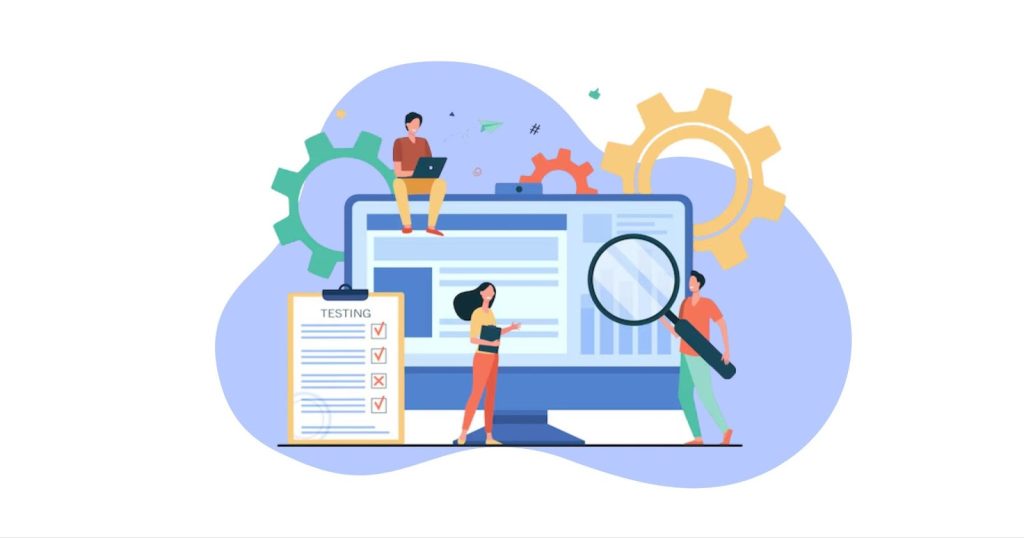
Testing is a crucial part of the software development lifecycle, helping to ensure that software meets the required standards and delivers optimal performance. Among the various types of testing, Functional Testing, Acceptance Testing, and User Acceptance Testing (UAT) are commonly used to validate the software before deployment. While they share similarities in their purpose of […]
End-to-End vs Integration Testing: Key Differences Explained
When it comes to software quality, end-to-end testing vs integration testing are two essential methods. While integration testing focuses on validating the interaction between individual system components, end-to-end testing ensures the entire application works as intended from the user’s perspective. Understanding the key differences between these testing approaches helps teams decide how to effectively test […]
Exploratory Testing: Comprehensive Guide and Best Practices

Did you know that 78% of software defects found in post-production are uncovered through exploratory testing? For QA professionals, developers, and product managers in fast-paced sectors like e-commerce, fintech, and SaaS, exploratory testing offers a flexible, unscripted approach that adapts in real time, simulating actual user behavior and uncovering critical bugs that automated tests may […]